
Every November, I start thinking that Thanksgiving might be the only American holiday that still makes sense. It only asks us to reflect and count our little blessings; the rest of them ask for optimism and hope, which feels a little hard to swallow right now in a nation that has lost the plot. Enter: a holiday that always had a fake one, Thanksgiving.
To that point, Thanksgiving doesn’t require belief in anything larger than dinner and counting your blessings, which are two good practices for anyone to engage in. It’s the one ritual this country still keeps: eat too much, argue, laugh, eat more, sit, recover. Weed was basically made for that.

These days, some people like to call it Danksgiving, but if we are being honest, the day was always weed-coded, and semi-legalization has only allowed us to be more upfront about the whole thing. The day is slow, messy, and indulgent, built on consumption, denial, and chilling. The food smells good, the news in the background doesn’t, but that's what football's for, and everyone’s pretending it’s fine for a few hours. Or they're not. Either way, you can’t keep that up without help. They've got wine, and you've got weed. And that's basically how the cousin walk was invented.
The cousin walk, known to every red-blooded stoner in the United States, has changed with the times. It used to be the great unspoken: cousins slipping into the yard for “air,” everyone pretending not to notice. Now legalization has made it an open ceremony. The walk’s become intergenerational. The aunts want to come. The dads have opinions about terpenes. Your weird uncle, who was always jealous he wasn't invited, now doesn't even need an invitation; he feels free to hop on into the rotation and make bad political jokes. There’s a jar of gummies in the kitchen drawer. It’s still the same release, but now it’s sanctioned — a semi-state-approved act of surrender. Approaching similar levels of validity as football and wine, but just as ever-present.

Thanksgiving asks us to forget where the story started. Legal weed does something similar. The plant’s finally respectable, but only because we’ve agreed not to look too hard at who paid the price getting it here. The industry sells calm and community while legacy growers, small farms, and people with records still wait outside the gate. Both the holiday and the market run on revision — good food, good vibes, and selective memory, but the culture is what keeps people hanging around both. That's worth being grateful for.
That’s why weed fits Thanksgiving so well: not because they share a history, but because they share the tension of pretending things are fine when they aren’t. The joint makes the pretending gentler, and everyone could use a break. It gives people a way to sit at the same table, talk about nothing, and feel like that might be enough for one afternoon.
By dessert, the table’s wrecked and houses hum with that sleepy, high contentment that passes for peace, or, depending on your set-up, the party is just getting lit. The world outside hasn’t changed, but the room has. Weed doesn’t absolve anything, but it does buy us a few hours of truce and maybe even fun—small mercies in a country built on complicated ones.

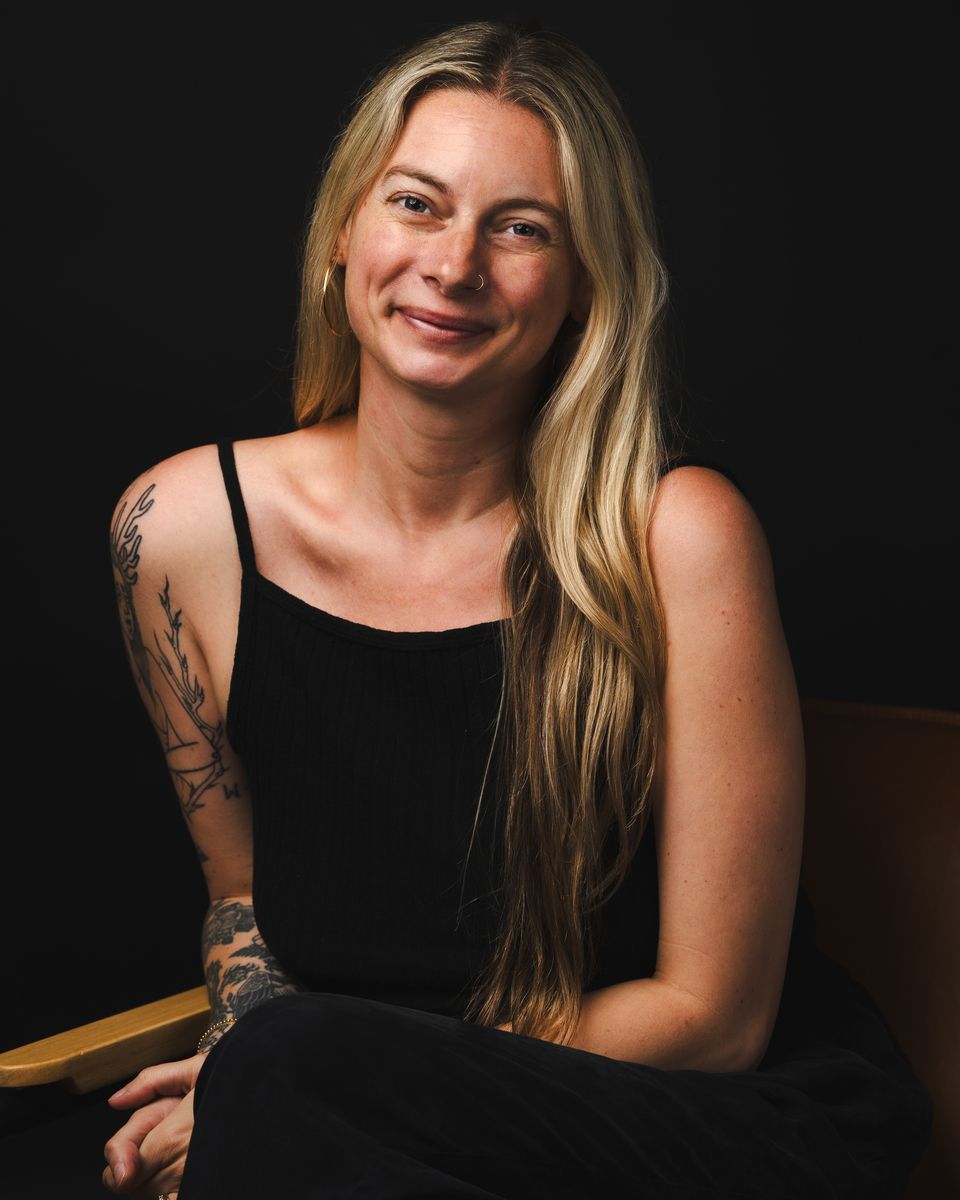
Jackie Bryant is a San Diego–based journalist, editor, and content strategist covering cannabis, culture, and the business that connects them. She’s an editor at Leaf Magazines, writes the newsletter Cannabitch, teaches journalism and social media at San Diego State University, co-hosts San Diego Magazine’s Happy Half Hour podcast, and writes copy for a few of your favorite weed brands. Her work has appeared in The New York Times, High Times, Playboy, Voice of San Diego, San Francisco Chronicle, CannabisNow, Different Leaf, DoubleBlind, MJBizDaily, Leafly, and many others, especially anything with "leaf" or "canna" in the title. She's a bongswoman, first and foremost.
